Case study · Integration · Aplos (now Velora) · 2 min read
Aplos × Keela: Connecting CRM and Accounting for Nonprofits
The first feature two merged companies shipped together: a data sync that turned out to be a trust problem.
- Role
- Senior Product Designer
- Company
- Aplos (now Velora)2025 to 2026
- Team
- 2 designers, 4 engineers, 1 PM
- Tools
- Figma, FigJam, Jira, Amplitude
- Problem
- The first integration between two newly merged products, briefed as a simple data sync.
- Decision
- I reframed it as a trust problem and made every data mapping visible instead of hiding it behind defaults.
- Outcome
- The review format and integration framework became the template for later cross-product work.
- Principle
- When trust is the constraint, transparency beats automation.
The Real Problem
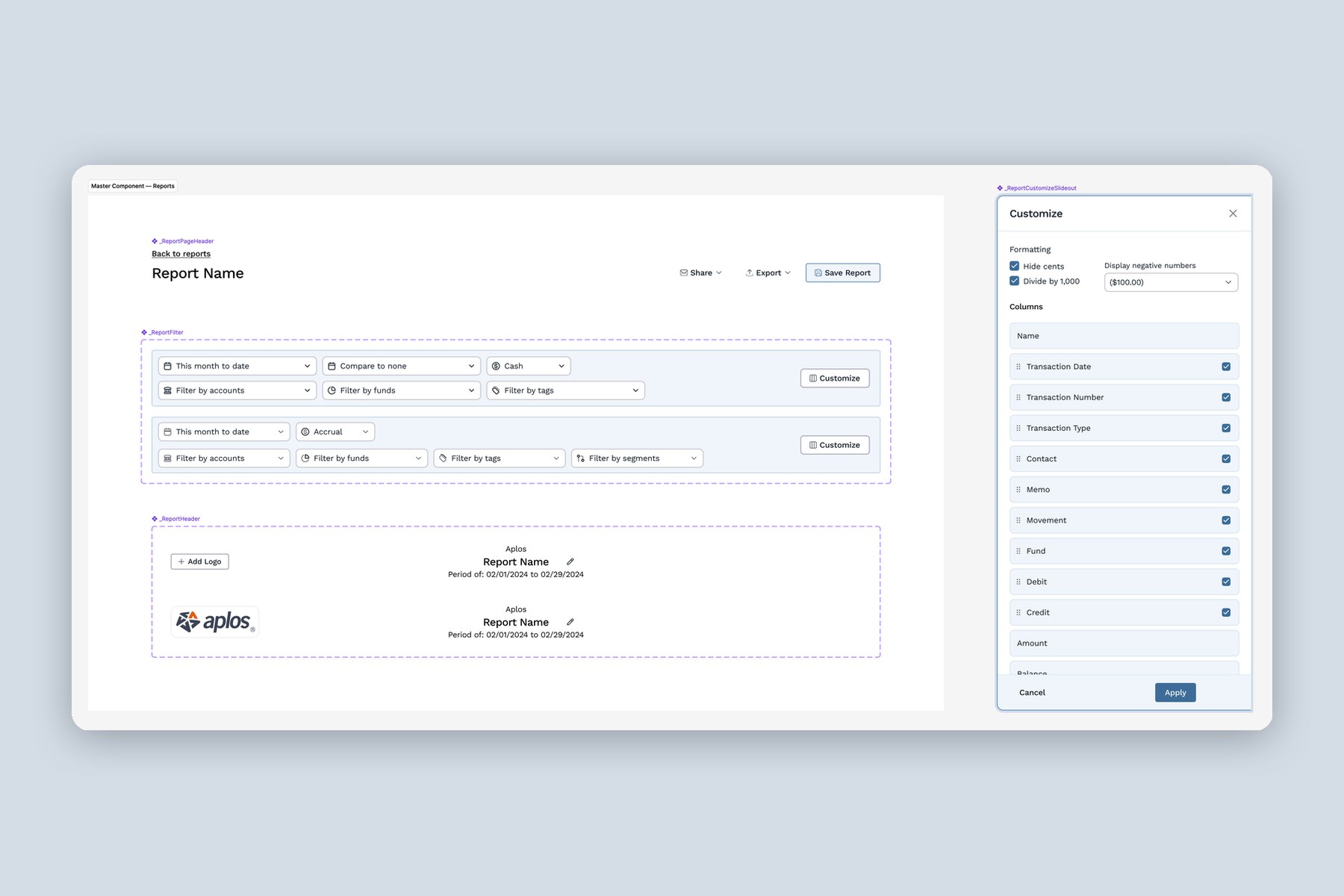
This was the first thing the two merged companies would ship together, and leadership read it as a test of the acquisition. The brief was a data sync between Keela's CRM and Aplos's accounting. After talking to 12 nonprofit finance managers, I saw the real problem was trust: every spreadsheet, CSV export and double entry existed because they'd been burned by data that moved silently.
What Made This Hard
Two engineering teams with different cadences and conventions, no shared components, and each side protective of its patterns. I spent the first two weeks in both teams' standups, mapping how each side thought about the same data, before designing anything.
Key Design Decisions
Most integrations hide complexity behind defaults. These users needed to see it, so every decision made the data visible.
| The manual workaround | The integration | |
|---|---|---|
| 1 | Spreadsheets, CSV exports and duplicate entry, because teams didn't trust what they couldn't see. | Visible data mapping. Every Keela field shown against the Aplos account it lands in, and editable. |
| 2 | All or nothing. Either map everything by hand or trust a black box. | Progressive configuration. Defaults that cover 80% of cases, with one click to go deeper. |
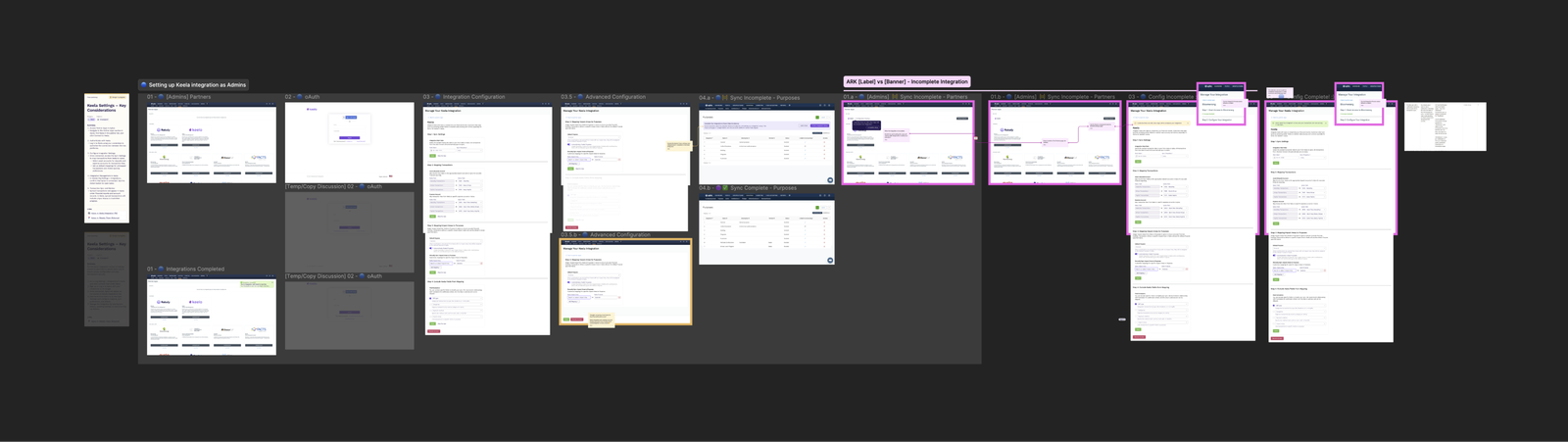
| 3 | "Did my data actually sync?" No way to tell without checking by hand. | A sync status view. Last sync time, records processed, and the exceptions that need attention. |
The Organizational Work
Design was maybe 40% of the job. I ran the first joint design reviews between the two engineering teams, built the first shared integration components, and presented the integration framework to the executive team. All three became the template for later cross-product work, and the components seeded the unified design system.
What Happened
It was the first feature the merged companies shipped together, and it became the blueprint for every cross-product integration after it. The lesson: when trust is the constraint, transparency beats automation, even when automation would ship faster.
ARK
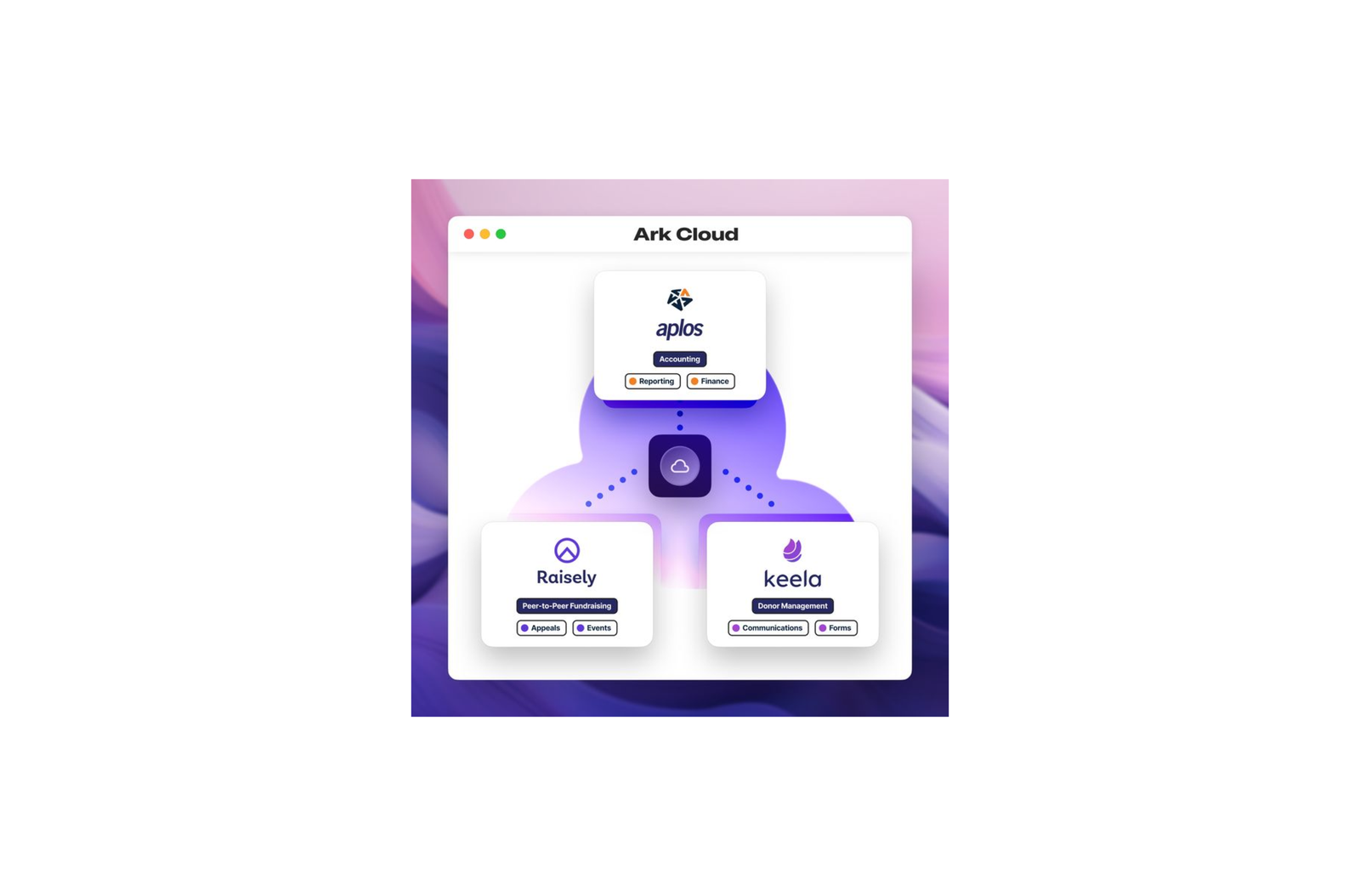
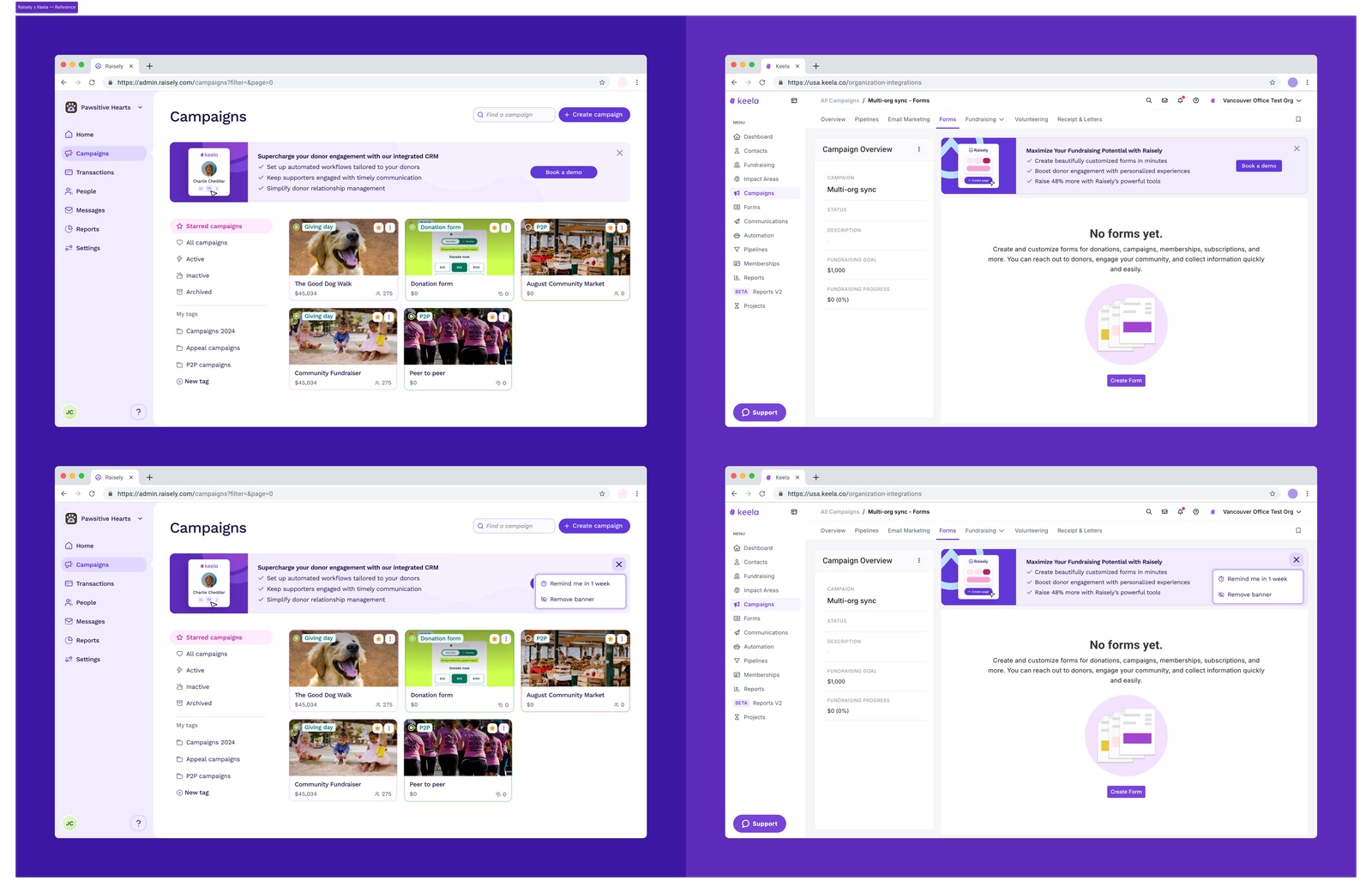
The integration became one of the first pieces of ARK, the connected suite of Keela, Raisely and Aplos.

Thanks for reading.